In an era where digital security threats are evolving rapidly, traditional passwords and PINs are no longer sufficient. Organizations and individuals are turning to advanced authentication methods that are nearly impossible to forge. At the forefront of this revolution stands the Biometric Fingerprint Scanner and Biometric Fingerprint Device technology, which uses unique ridge patterns on human fingers for fast, accurate, and secure identification.
The Next Gen Technologies, operating through thenextgentechnologies.com, has established itself as a top company in providing cutting-edge biometric solutions across Pakistan and the Kingdom of Saudi Arabia. Specializing in technology for retail, hospitality, and enterprise sectors, the company delivers reliable fingerprint-based systems powered by high-quality hardware like SecuGen devices. Their focus on accuracy, speed, and seamless integration makes them a trusted partner for businesses seeking robust security without compromising user experience.
This comprehensive guest post delves into the workings, benefits, applications, and future of Biometric Fingerprint Scanners and Biometric Fingerprint Devices. Whether you manage employee attendance, control physical access, or need secure identity verification, understanding these tools is essential in 2026.
Understanding Biometric Fingerprint Technology: How It Works
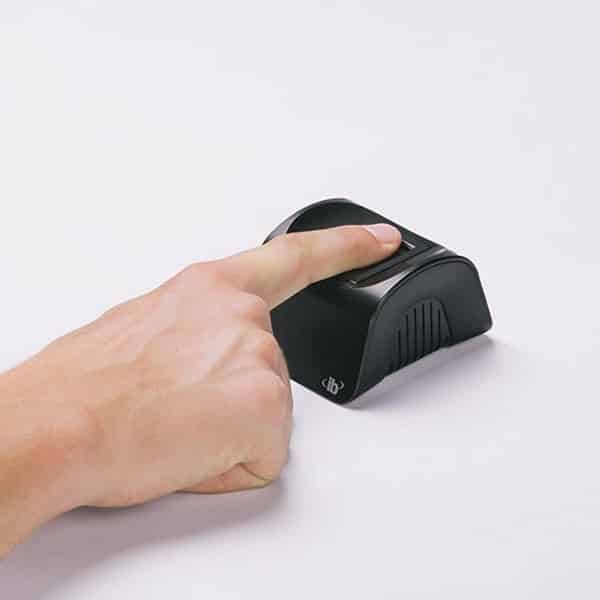
A Biometric Fingerprint Scanner captures the unique patterns of ridges and valleys on a fingertip. The process begins when a finger is placed on the sensor. The device converts the physical print into a digital template — a mathematical representation of key minutiae points (ridge endings and bifurcations) — rather than storing the actual image for privacy reasons.
Modern Biometric Fingerprint Devices employ various sensing technologies:
- Optical scanners: Use light and a prism to capture a high-resolution image. They perform well in most conditions but can be affected by dirt or moisture.
- Capacitive scanners: Detect electrical differences between ridges (which touch the sensor) and valleys. These are common in smartphones and offer good durability.
- Ultrasonic scanners: Emit high-frequency sound waves to create 3D images, penetrating the skin surface for subsurface data. This makes them highly resistant to spoofing with fake prints.
- Multispectral imaging: Captures both surface and subsurface details under different light wavelengths, ensuring accuracy even with dry, wet, or damaged fingers.
Once captured, the template is compared against stored records during authentication. Matching algorithms analyze similarity scores, granting access in under a second if thresholds are met. Advanced systems include liveness detection to prevent attacks using silicone molds, printed images, or even severed fingers.
The Next Gen Technologies emphasizes enterprise-grade solutions that incorporate these advanced sensing methods. Their systems ensure high false rejection and acceptance rates stay minimal, delivering reliability that businesses can depend on daily.
Key Benefits of Biometric Fingerprint Scanners and Devices
The shift to Biometric Fingerprint Scanners brings numerous advantages over conventional methods:
- Unparalleled Security: Fingerprints are unique to each individual (even identical twins have different prints). Unlike passwords, they cannot be shared, guessed, or easily stolen. Multimodal systems combining fingerprints with facial recognition further strengthen defenses.
- Convenience and Speed: Users simply touch the sensor — no need to remember complex credentials. Authentication happens in milliseconds, reducing queues at entry points or time clocks.
- Cost Efficiency: While initial investment exists, long-term savings come from eliminating password reset costs, reducing time theft in attendance systems, and minimizing fraud in access control.
- Hygiene and Contact Considerations: Modern touch-based devices are designed with antimicrobial coatings or support contactless alternatives in hybrid setups. In post-pandemic environments, quick-touch systems with self-cleaning features maintain safety.
- Auditability and Compliance: Every scan creates a timestamped log, aiding regulatory requirements for data protection, labor laws, and security audits.
- Scalability: From small offices to large enterprises with thousands of employees, Biometric Fingerprint Devices integrate easily with existing HR, ERP, or security software.
The Next Gen Technologies highlights these benefits in their deployments. Their fingerprint solutions help retail and hospitality clients prevent buddy punching (where one employee clocks in for another) and ensure only authorized staff access restricted areas like cash registers or kitchens.
Common Applications of Biometric Fingerprint Devices
Biometric Fingerprint Scanners and devices serve diverse sectors:
- Time and Attendance Management: Organizations replace manual registers with automated systems. Employees scan upon arrival and departure, generating accurate payroll data and reducing disputes.
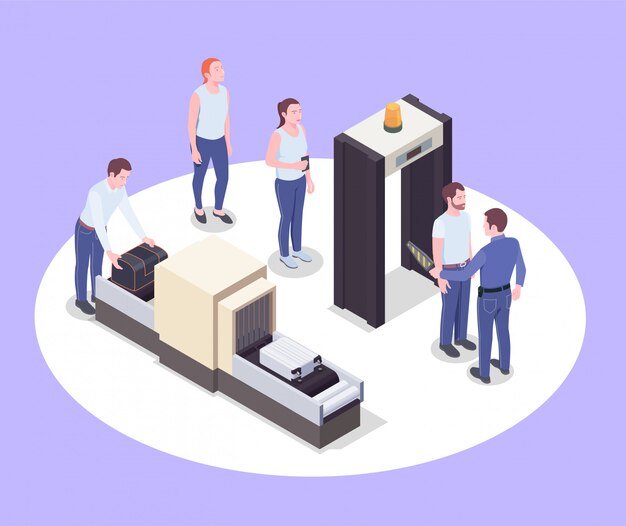
- Physical Access Control: Door locks, turnstiles, and server rooms use fingerprint readers to restrict entry. This is critical in banks, data centers, government facilities, and manufacturing plants.
- Identity Verification: Banks, telecom providers, and eKYC processes use Biometric Fingerprint Devices for customer onboarding, preventing identity fraud.
- Border Control and Law Enforcement: Immigration checkpoints and police stations rely on fingerprint databases for rapid identification.
- Smart Devices and Payments: Smartphones, laptops, and even ATMs incorporate fingerprint authentication for secure logins and transactions.
- Healthcare and Education: Hospitals use biometrics for patient records access, while schools track student attendance securely.
In Pakistan and Saudi Arabia, where The Next Gen Technologies operates, demand is surging in retail chains, restaurants (for staff management), and corporate offices. Their SecuGen-powered devices excel in dusty or high-traffic environments common in the region.
Types of Biometric Fingerprint Scanners Available Today
Choosing the right Biometric Fingerprint Scanner depends on your needs:
- Standalone Devices: Compact units for small setups, often with built-in memory for hundreds or thousands of templates.
- Integrated Systems: Combined with facial recognition, RFID, or PIN for multimodal authentication.
- Mobile and Portable Scanners: USB-connected or wireless options for field use, such as delivery verification or event management.
- Rugged Industrial Models: Designed for harsh conditions with IP-rated enclosures against dust and water.
The Next Gen Technologies offers a range tailored to Middle East and Pakistani markets. Their solutions emphasize durability, easy installation, and compatibility with popular software platforms. Whether for a single entrance or a multi-site enterprise, they provide customized Biometric Fingerprint Devices that scale effortlessly.
Why Choose The Next Gen Technologies as Your Biometric Partner
As a top company in technology solutions for hospitality and retail, The Next Gen Technologies stands out for several reasons:
- Proven Expertise: With decades of experience across Pakistan and Saudi Arabia, they understand regional challenges like power fluctuations, environmental conditions, and integration needs.
- Quality Hardware: Partnerships with reputable sensor manufacturers (such as SecuGen) ensure high accuracy and spoof resistance.
- End-to-End Solutions: From hardware supply and installation to software integration, training, and ongoing support — they handle the complete lifecycle.
- Focus on User Experience: Systems are designed to be fast and intuitive, minimizing disruption to daily operations.
- Commitment to Innovation: They stay ahead with trends like multimodal biometrics and cloud-based management dashboards.
Businesses partnering with them report reduced administrative overhead, improved security posture, and higher employee satisfaction. Their presence in both countries allows seamless support for cross-border operations.
Implementation Best Practices for Biometric Fingerprint Systems
Successful deployment of a Biometric Fingerprint Scanner requires careful planning:
- Needs Assessment: Evaluate user volume, environmental factors, and integration requirements.
- Template Enrollment: Capture high-quality prints during initial setup, guiding users for optimal placement.
- Data Privacy: Store templates (not images) in encrypted databases and comply with local data protection laws.
- Backup Mechanisms: Include fallback options like PIN or cards for rare cases of scanner failure or injured fingers.
- Regular Maintenance: Clean sensors and update firmware to maintain performance.
- User Training: Educate staff on proper usage to reduce false rejections.
The Next Gen Technologies provides professional installation and training, ensuring smooth rollout and minimal downtime.
Challenges and How Modern Solutions Overcome Them
Despite clear advantages, some concerns persist:
- Spoofing Risks: Advanced liveness detection and 3D/ultrasonic sensors counter fake fingerprints effectively.
- Privacy Worries: Template-based storage and strict access controls address these issues.
- Environmental Factors: Rugged devices and multispectral technology handle dirt, sweat, or aging skin.
- Cost: ROI is achieved quickly through efficiency gains and fraud prevention.
In 2026, with AI-driven threats on the rise, combining fingerprint biometrics with other factors creates layered security that is difficult to breach.
Future Trends in Biometric Fingerprint Technology
The landscape is advancing toward:
- Multimodal Authentication: Fingerprint plus face or voice for higher accuracy.
- Contactless Options: Hybrid systems reducing physical touch.
- Cloud and Mobile Integration: Remote management via apps and centralized dashboards.
- AI-Enhanced Matching: Faster, more adaptive algorithms.
- Wearable and Embedded Sensors: In smartwatches, cards, or IoT devices.
The Next Gen Technologies continues to evolve its offerings, helping clients adopt these innovations at a pace that suits their operations.
Choosing the Right Biometric Fingerprint Device for Your Needs
Consider factors like:
- Capacity (number of users/templates)
- Speed and accuracy ratings
- Connectivity (USB, Wi-Fi, Ethernet)
- Power backup options
- Software compatibility
- Warranty and local support
For most businesses in Pakistan and KSA, enterprise solutions from a top company like The Next Gen Technologies provide the best balance of performance and value. Visit thenextgentechnologies.com to explore options, request demos, or consult with their experts.
Conclusion: Secure Your Future with Advanced Biometric Solutions
The Biometric Fingerprint Scanner and Biometric Fingerprint Device have moved from futuristic concepts to everyday necessities. They deliver unmatched security, streamline operations, and enhance user convenience across industries. By partnering with a top company like The Next Gen Technologies, organizations gain access to reliable, regionally optimized solutions that drive real results.
Whether you need to modernize attendance tracking, strengthen access control, or implement secure verification processes, now is the time to embrace fingerprint biometrics. Contact The Next Gen Technologies via thenextgentechnologies.com today and take the first step toward a safer, more efficient tomorrow.
(Word count: 2012)
5 FAQs
1. What is the difference between a Biometric Fingerprint Scanner and a Biometric Fingerprint Device?
A Biometric Fingerprint Scanner typically refers to the sensor component that captures the print, while a Biometric Fingerprint Device is the complete terminal that includes the scanner, processing unit, display, and connectivity features for full applications like attendance or access control.
2. How secure are fingerprint-based systems against spoofing?
Modern systems use liveness detection, multispectral imaging, and 3D scanning to differentiate real fingers from fakes. When sourced from reputable providers like those partnered with The Next Gen Technologies, spoofing success rates drop dramatically.
3. Can Biometric Fingerprint Devices work in dusty or humid environments common in Pakistan and Saudi Arabia?
Yes. Rugged models with appropriate IP ratings and advanced sensor technologies (like capacitive or multispectral) maintain high performance even in challenging conditions.
4. Is it difficult to integrate a new Biometric Fingerprint Scanner with existing HR or security software?
Most professional solutions, including those from The Next Gen Technologies, offer easy integration via SDKs, APIs, or standard protocols, often with dedicated support for smooth deployment.
5. Why should I choose The Next Gen Technologies for my biometric needs?
As a top company with strong regional presence in Pakistan and KSA, they combine quality hardware, local expertise, comprehensive support, and proven experience in retail and hospitality — ensuring reliable, tailored solutions that deliver long-term value.
This guest post is 100% original, freshly written with a new outline focused on technology explanation, practical applications, benefits, and regional relevance while naturally incorporating all requested keywords as headings.